
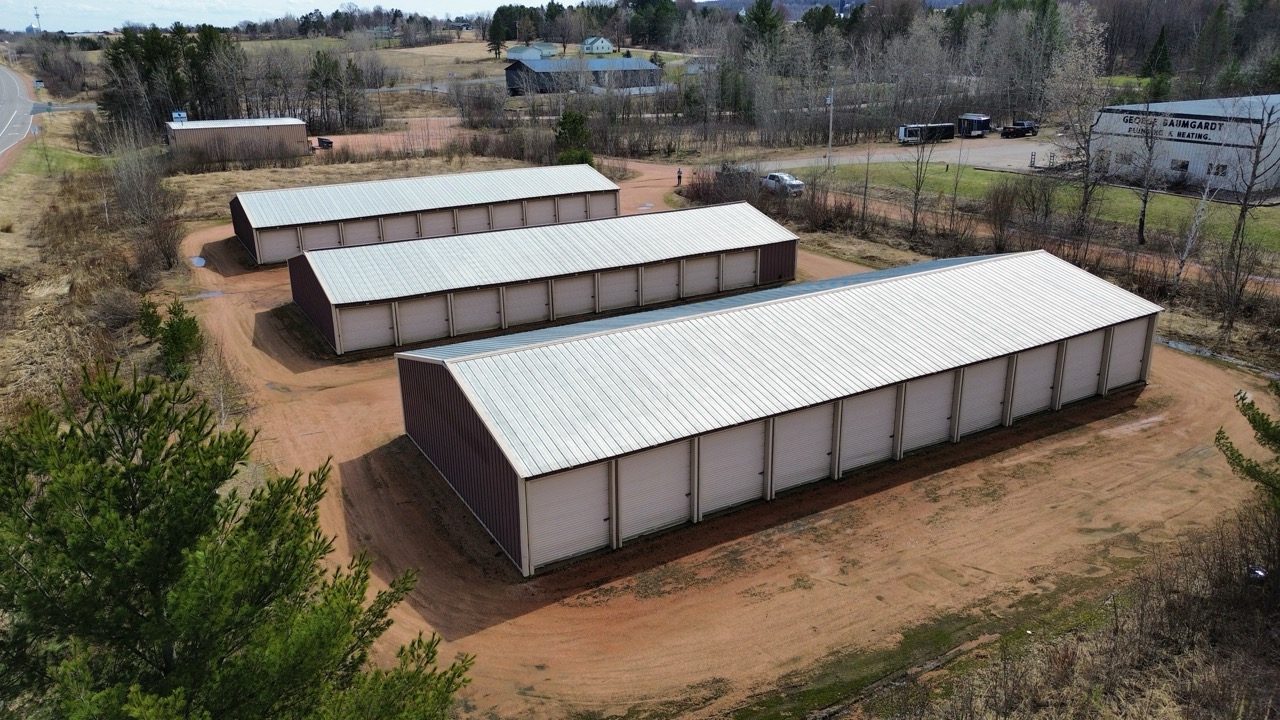
Understanding storage basics is crucial for effective organization and can help you make the most of your space.
Why Use Self Storage?
Self storage can be an excellent solution for homeowners, renters, and businesses alike. It provides a secure, convenient, and cost-effective way to store belongings that you don’t have space for at your home or office. Here’s why you might consider it:
- Extra Space
- Perfect for freeing up a garage, basement, or spare room. Store seasonal décor, sports equipment, extra furniture, or large items like ski boats, canoes, or vintage cars that you want protected from weather damage.
- Security
- Storage facilities often provide security measures far beyond what’s practical for a home. These may include gated access with keypad entry, 24/7 video surveillance, security fences, motion-activated lighting, and even onsite staff or security guards.
- Safety
- Hazardous items such as power tools, ladders, saws, paint, or chemicals can be stored away from children or pets, reducing the risk of accidents at home.
- Business Uses
- Many small businesses use storage units to store inventory, files, equipment, or trade show materials without paying for expensive warehouse space.
- Insurance Options
- Facilities may offer affordable policies, or you can extend coverage under your homeowner’s or renter’s insurance. This ensures your items are financially protected in case of theft, fire, flood, or other damage.
Choosing the Right Storage Unit
Before you start searching for a facility, it’s important to understand your specific needs. Doing so will help you avoid overspending or renting a unit that doesn’t meet your requirements.
- Duration
- Will you need the space for a few weeks, several months, or long-term? Some facilities offer discounted rates for extended rentals, while others have specials for short-term use.
- Size
- Accurately estimate your space needs. Renting a unit that’s too big wastes money, while one that’s too small can lead to cramped, unsafe storage conditions. Use an online storage calculator for guidance.
- Access Hours
- If you need frequent or late-night access, look for facilities with 24/7 entry. Others may have limited business hours or require appointments outside normal times.
- Climate Control
- Consider climate-controlled units for sensitive items such as electronics, antiques, documents, musical instruments, and leather goods. These units maintain a stable temperature and humidity level to prevent warping, cracking, mold, and rust.
- Security Features
- Look for secure fencing, surveillance cameras, electronic gate access, bright lighting, and onsite staff. Ask if the facility has had break-ins or thefts in the past.
- Specialty Storage
- Some facilities offer specific spaces for vehicles, motorcycles, RVs, and boats, with covered or indoor options for better protection.
Mobile Storage Option
Mobile storage combines convenience with flexibility:
- How It Works
- A portable storage container is delivered to your home or business. You pack it at your own pace, then the company transports it to their secure facility or your new location.
- Pros
- No need to rent a truck or make multiple trips to a facility. Ideal for people moving or remodeling.
- Cons
- Not as convenient if you need frequent access to your items.
- Cost Considerations
- Pricing is often comparable to traditional storage but may include delivery and pickup fees.
Seasonal and Specialized Needs
Your storage requirements may change throughout the year. Planning for these changes can save you time and money:
- Seasonal Swaps
- Rotate patio furniture, pool gear, and summer clothing into storage during winter, and switch to winter gear, snowblowers, and holiday décor during warmer months.
- Special Care Items
- Delicate belongings like wine collections, fur coats, vintage records, or electronics may need climate control, dust prevention, or even cold storage.
- Sports and Recreation Equipment
- Store skis, snowboards, bikes, kayaks, or camping gear in a safe, organized space so they’re ready for next season.
Packing Tips for Safe Storage
Good packing habits prevent damage and make it easier to retrieve items later.
- Boxes and Containers
- Use sturdy, uniform boxes for easy stacking. Avoid plastic bags, which trap moisture and can cause mold.
- Filling Boxes
- Don’t leave empty space inside boxes—fill gaps with packing paper or bubble wrap to prevent shifting. Avoid overstuffing, which can cause boxes to burst.
- Labeling
- Label at least two sides of every box. Include both a general category (e.g., “Kitchen”) and a brief inventory (“potholders, utensils, towels”). Mark fragile items clearly.
- Furniture
- Disassemble larger pieces and wrap them in blankets or furniture covers to prevent scratches and dust buildup.
- Artwork and Mirrors
- Wrap in bubble wrap, add corner protectors, and store upright to avoid damage.
- Organization in the Unit
- Keep frequently used items near the front, heavy items on the bottom, and create walkways for easy access.
Storage Insurance: Don’t Skip It
Many people assume their items are automatically insured when placed in self storage—but that’s rarely the case.
- Check Your Existing Coverage
- Ask your homeowner’s or renter’s insurance provider if stored belongings are covered.
- Facility Coverage
- Some facilities offer insurance as an add-on, but the limits may be lower than you need.
- What to Insure
- High-value or irreplaceable items, such as antiques, collectibles, or business equipment, should be covered against theft, fire, flood, and natural disasters.
- Inventory
- Keep a detailed, up-to-date list of your stored items with photos for documentation in case you need to file a claim.